Plumbing release
A supply line, appliance or water heater can wet flooring and adjacent rooms. The source may need a plumber before restoration.
The Tampa quote line is not yet connected. This control cannot place a call.
Service guide / Water extraction
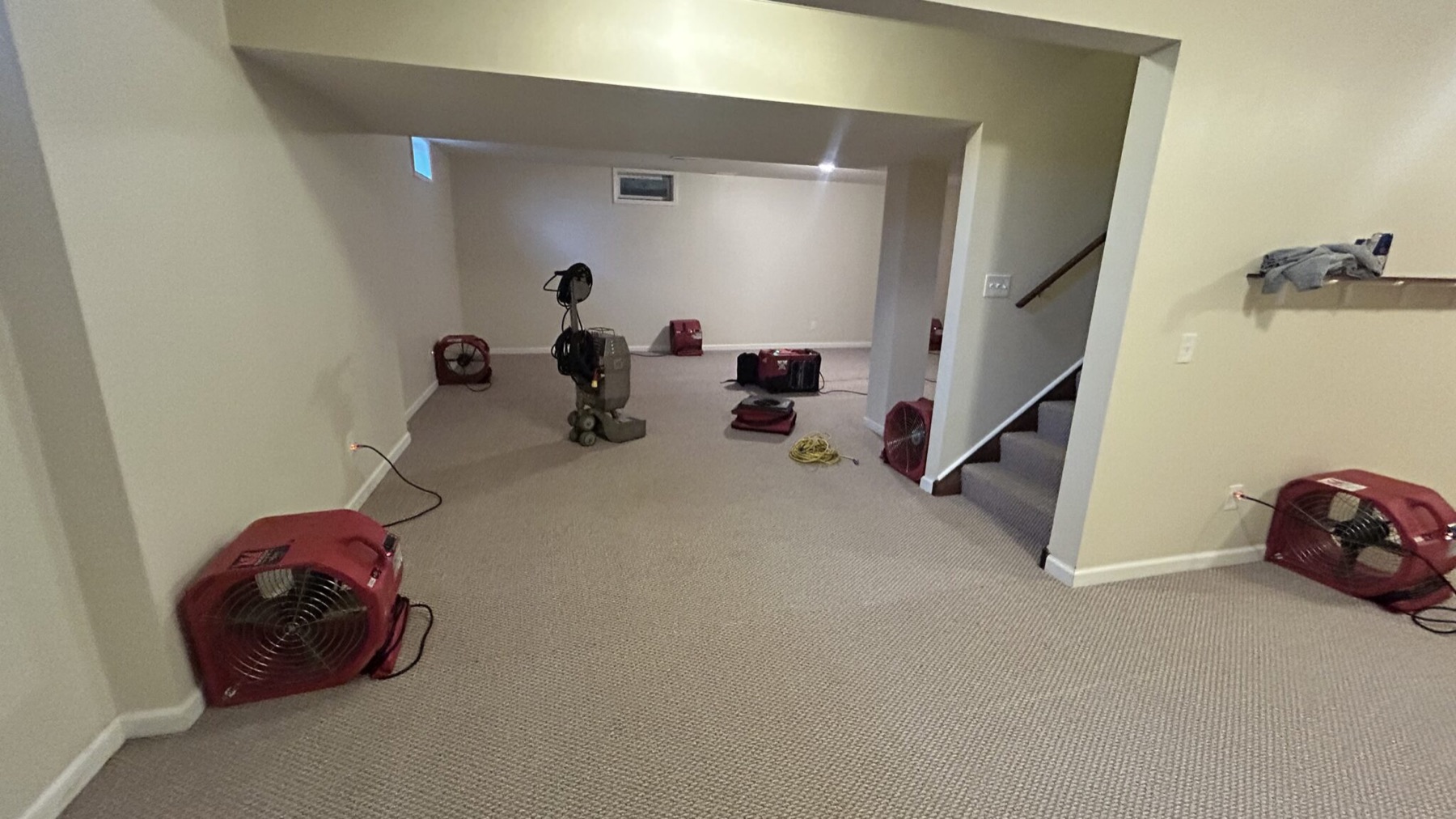
Removing standing water is the first visible task. The quote should also explain what remains wet, which materials can be dried, and how progress will be checked.
The displayed quote control is inactive. Use the guides to prepare for a qualified assessment.
01 / When it matters
An extractor may remove bulk water while moisture stays in porous materials.
A supply line, appliance or water heater can wet flooring and adjacent rooms. The source may need a plumber before restoration.
Roof, window or drainage entry needs source control. Exterior hazards and contamination change the cleanup plan.
Baseboards, cabinets and floor assemblies may hold water after the surface appears dry.
02 / Ask for the sequence
The exact methods depend on site conditions and the water source.
1. Identify and stop the source when safe.
2. Inspect affected rooms and materials.
3. Remove standing water and plan extraction access.
4. Set drying and moisture-check expectations.
5. Document the scope, exclusions and next decisions.
03 / Cost and handoff
A quote depends on affected area, water category, access, materials, equipment time and what must be removed or repaired.
Ask whether the estimate separates extraction, structural drying and reconstruction. Confirm who is responsible for plumbing repairs and whether contaminated water needs specialized handling.